Asbestos removal mistakes to avoid
There's still plenty of asbestos in Australian buildings, so knowing how to handle it — and what not to do — matters. Here are the most common and most dangerous mistakes people make.
Mistake 1: assuming you can spot it by eye
You can’t tell whether a material contains asbestos just by looking — it takes lab analysis to confirm. Treat any suspect material in an older building as if it contains asbestos until it’s tested. Cement products, vinyl floor coverings, corrugated roofing, thermal insulation, lino, electrical boxes, fencing and hot-water systems can all contain it.
Mistake 2: DIY removal without the right gear or method
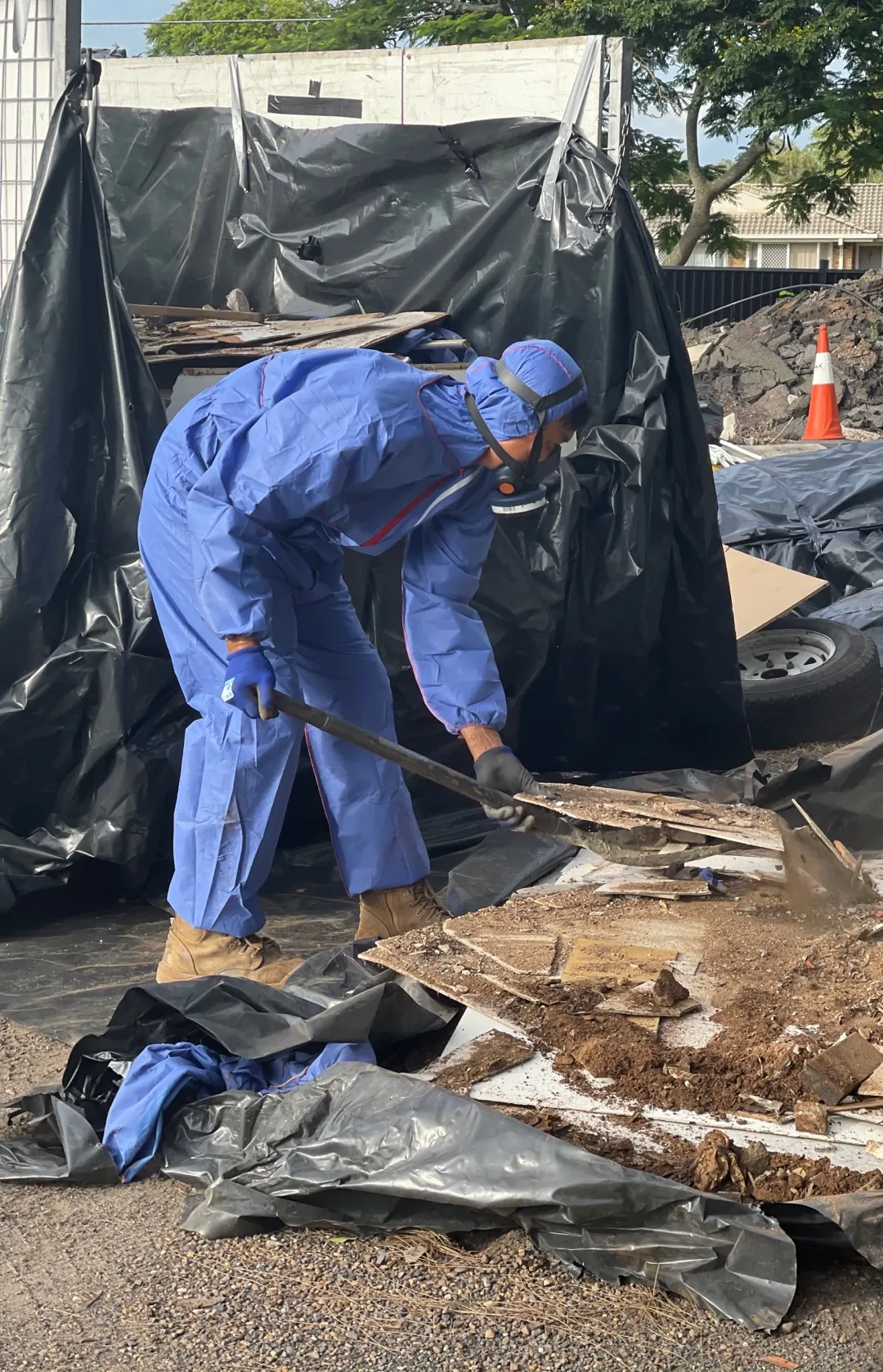
DIY jobs typically lack the containment, equipment and procedures that keep fibres out of the air. When asbestos is disturbed, it releases invisible fibres that can stay airborne for a long time and drift well beyond the work area — so a careless DIY job can expose your whole household and your neighbours, not just you.
Mistake 3: using power tools or high pressure
This is how a manageable situation becomes a contaminated one. Never use angle grinders, electric drills, sanders, circular saws, high-pressure water blasters or compressed air on asbestos-containing material — all of them throw fibres into the air.
Mistake 4: ignoring the legal limits
Removal is regulated. In Queensland it’s illegal for an unlicensed person to remove more than 10m² of non-friable asbestos, and any amount of friable asbestos must be removed by a licensed, accredited contractor. Class B licences cover bonded material; Class A covers friable as well. Get it wrong and you risk hefty fines on top of the health risk.
Mistake 5: stopping short of a clearance
A big part of doing it properly is proving it’s done. Homeowners often can’t be sure they’ve cleared a property completely. A licensed removalist identifies the contaminated areas, removes the material, and provides a clearance certificate — documented proof the area is safe to reoccupy.
Mistake 6: dumping the waste
Asbestos is regulated waste. It can’t go in a normal skip or to a normal tip — it must be wrapped, labelled and taken to a landfill licensed to accept asbestos. Using a licensed remover means transport and disposal are handled correctly as part of the job.
The bottom line
The single biggest mistake is treating asbestos like an ordinary renovation material. When in doubt, don’t disturb it — test it first, and use a licensed, insured professional for anything beyond the smallest, lowest-risk job.
Still not sure? Just ask.
Call 1300 019 657, 7 days a week, or book an inspection and we'll give you a clear answer.