The types of asbestos
There are six recognised types of asbestos, but for most people the more useful distinction is whether the material is friable or bonded — because that's what determines the risk and how it's handled.
Six types, three you’ll meet
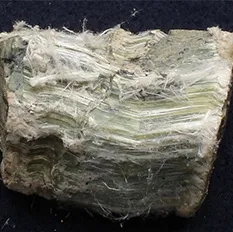
There are six recognised forms of asbestos: tremolite, actinolite, anthophyllite, chrysotile, amosite and crocidolite. All of them are dangerous when their fibres are inhaled. In Australian homes and buildings, three turn up most often:
- Chrysotile (white asbestos) — the most common type by far. It’s part of the serpentine mineral group, flexible enough to be woven, and was used in cement sheeting, roofing, walls, floors, brake linings, gaskets and pipe insulation. It was the last type banned in Australia, in 2003.
- Amosite (brown/grey asbestos) — an amphibole mineral, commonly used in cement sheets, pipe insulation, insulating board and ceiling tiles.
- Crocidolite (blue asbestos) — also an amphibole, used in some spray coatings, pipe insulation, plastics and cement products, and historically to insulate steam engines. It’s generally considered the most hazardous to inhale: when damaged it releases fine, needle-like fibres.
The distinction that actually matters: friable vs bonded
For deciding risk and how a material is handled, this is the line that counts:
- Bonded (non-friable) asbestos is held firmly within another material — classic example, asbestos-cement sheeting. While it’s intact, the fibres are locked in and it’s relatively stable. In Queensland a Class B licence covers removing more than 10m² of it.
- Friable asbestos is loose or powdery — it can be crumbled by hand, and releases fibres with very little disturbance. It’s far more dangerous, and any amount must be removed by a Class A licensed remover.
The same material can change category: bonded sheeting that’s badly weathered, fire-damaged or smashed can become friable.
Why you can’t just look
You can’t reliably identify the type — or even confirm the presence — of asbestos by eye; the colour names are a guide, not a test. Confirming what you’ve got needs laboratory or analyser testing. If you have a suspect material, the safe move is to have it tested rather than guess.
Still not sure? Just ask.
Call 1300 019 657, 7 days a week, or book an inspection and we'll give you a clear answer.